
You could have high blood pressure for years and not know it. “Often, there are no symptoms at all, but high blood pressure can damage your kidneys, and put you at risk of heart attack or stroke,” says family medicine physician Clayton Wagner, MD.
Think of it like an engine, Dr. Wagner says: “Fluids run through the pipes of an engine, and when the fluid pressure is too high, it damages the small parts of the engine over time. When the pressure in your circulatory system is too high, it builds up plaque that gets pushed into the walls of the blood vessels, increasing the risk of heart disease, heart attack, and stroke.” Likewise, blood vessels in the kidneys can damage kidney function if blood flow is too strong.
“One of the largest contributors to heart disease is uncontrolled high blood pressure, and heart disease is the leading causes of death in the U.S.,” Dr. Wagner explains.
Ideally, blood pressure would be 120 over 80, Dr. Wagner says. “But if you hang out around 150 over 90 for a long time, that’s really hard on your body.”
Extremely high blood pressure can cause a “hypertensive emergency,” with chest pain, blurry vision, headache. If you have these symptoms, go to the Emergency Department or call 911.
Dr. Wagner offers these steps to keep your blood pressure in a safe range and prevent high blood pressure:
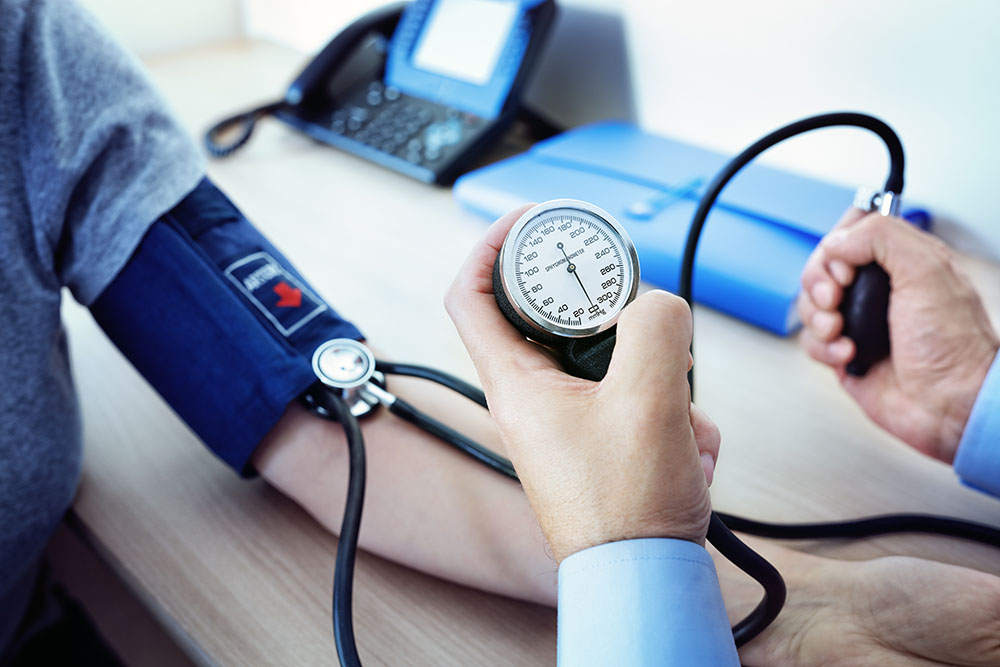
Know your blood pressure. High blood pressure can start in your 30’s, so it’s important to know your blood pressure as a young adult. Start with your annual physical. “Even if you feel great, it’s important to have regular screenings” starting with your vital signs: body temperature, pulse rate, respiration rate, blood pressure. “Make sure it's checked at least once a year. And if it’s high, talk with your provider about doing checks at home, or more than once a year,” Dr. Wagner advises.
Know your family history, too. “Be sure to give your provider a thorough family history of relatives with high blood pressure,” Dr. Wagner says. “If it runs in your family, that helps clarify your risk.”
Manage your risks.
- Watch your sodium. Aim for 1,500 milligrams a day. (USDA regular daily allowance is 2,000 milligrams a day.)
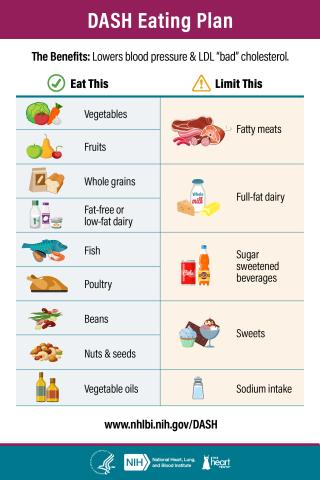
- Consider the DASH eating plan: The “Dietary Approaches to Stop High blood pressure” is built on daily and weekly nutritional goals with recommendations on what foods to eat, and which to avoid.
- Don't smoke. “If you're smoking at all, any tobacco, that's going to raise your blood pressure,” Dr. Wagner says. Your provider can help you with resources to quit smoking.
- Drink alcohol only in moderation. AAFP recommends less than 1 drink per day.
- Get enough exercise. Aim for 150 minutes per week of moderate-intensity activity (a brisk walk) or 75 minutes per week of vigorous activity (running).
- Think about sleep apnea. When breathing stops and starts throughout the night while sleeping, it deprives your brain and body of oxygen. “Your heart tends to work harder to send more oxygen to your brain,” Dr. Wagner says. “That stresses your body.” Know the symptoms of sleep apnea; talk with your provider about a sleep study and treatment options.
Check your blood pressure on a regular basis. “Monitoring your blood pressure is crucial when there are no symptoms, because the health risks are high,” Dr. Wagner says. “Home monitoring has been proven without question to be more sensitive and more specific than in-office measurements alone.”
The American Academy of Family Physicians recommends using an automatic, digital monitor with a cuff for the upper arm, which is generally more accurate than wrist or finger monitors. Keep track of your readings and share them with your provider to see how your blood pressure varies over time. “Using a home blood pressure cuff (correctly) will result in a much clearer picture of your BP health as a whole,” Dr. Wagner says. “That can help navigate your treatment.”
AAFP also recommends bringing your home monitor to your provider’s office once a year to have it checked. At NH+C, established patients can get their BP monitor checked during a clinic appointment or nurse visit. Dr. Wagner works with his patients to check cuff fit, monitor their technique, and cross-reference home machines with the clinic’s calibrated BP machines.
High blood pressure “is a passion area for me because patients generally aren’t thinking about it,” Dr. Wagner says. “They think, ‘I’m feeling pretty good. How could this be a problem?’ I encourage them not to take it for granted.”
Because what you don’t know . . . might hurt you.
Dr. Clayton Wagner is a family medicine physician in NH+C’s Farmington Clinic. Appointments: (651) 460-2300
Learn about Cardiology at NH+C.