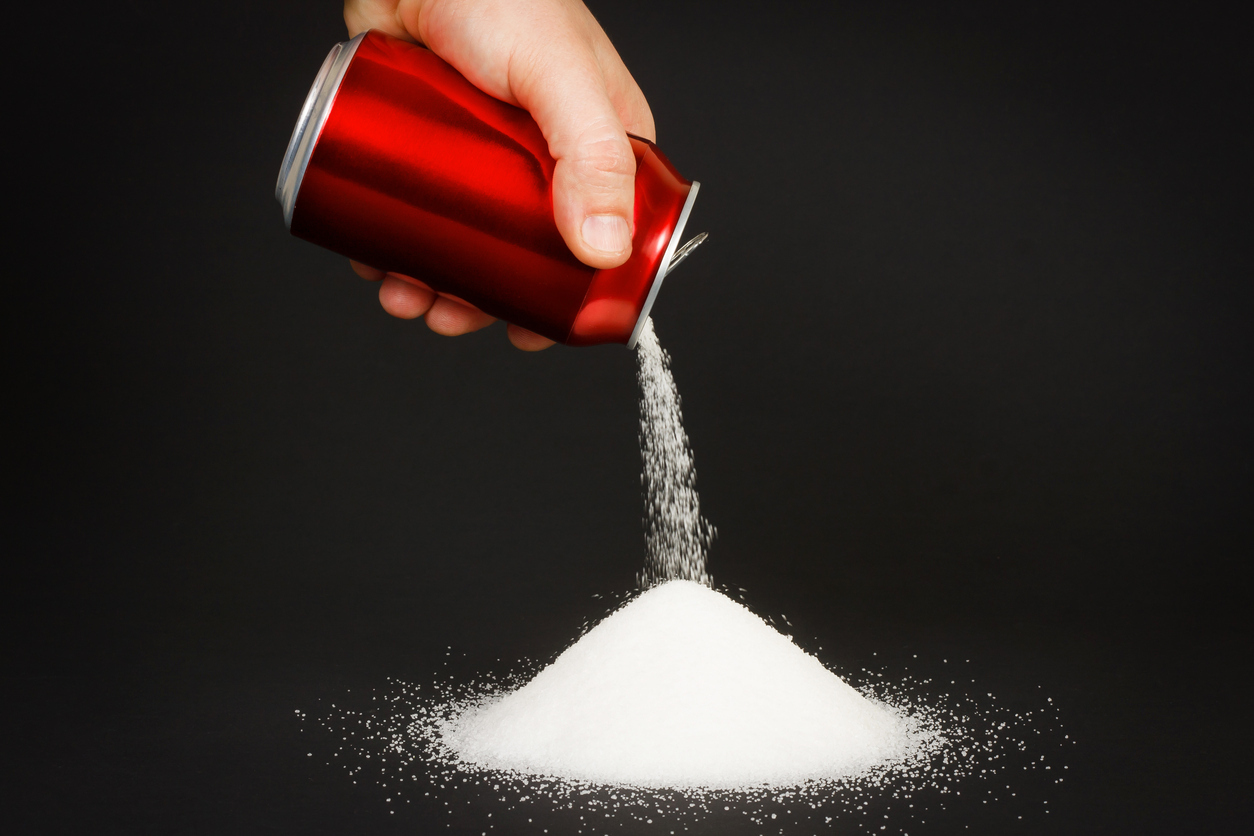
Sweet, but Smarter: Reducing Added Sugar in Everyday Drinks
Added sugars are in many of the foods and beverages we consume, sometimes in alarming amounts. From sodas to flavored coffees and sweetened teas, beverages can contribute a significant amount of sugar to our diet without providing much nutritional value. A diet high in added sugar increases the risk of developing certain health issues including obesity, heart disease, and type 2 diabetes.
How much added sugar intake is recommended? The U.S. Dietary Guidelines for Americans recommends limiting added sugar intake to 10% or less of your total daily calorie allowance. This amounts to about 45 grams of added sugars (for an 1,800 calorie diet). However, the American Heart Association recommends no more than 36 grams for men and 25 grams for women.
With a few simple and practical changes, you can reduce your sugar intake while still enjoying your favorite beverages:
- Start with Water: Water is the healthiest way to stay hydrated. It has zero calories, contains no sugar, and supports many body functions. Carry a water bottle with you wherever you go and take sips often. When you are thirsty, drink water first before a sweetened beverage. If you would like to “spice up” your water, try these infused water flavor combinations in your water bottle. You can add more or less depending on your preference.
- Minty Cucumber Lime: ½ a cucumber (sliced), ½ a lime (sliced), and ¼ cup fresh mint leaves
- Strawberry-Lemon with Basil: ½ cup sliced strawberries, ½ a lemon (sliced), and ¼ cup fresh basil leaves
- Watermelon Mint: 1 cup cubed watermelon and ¼ cup fresh mint leaves
- Pineapple-Orange with Ginger: ½ cup cubed pineapple, ½ an orange (sliced), and 1 tablespoon freshly grated ginger
- Check out these other water recipes.
- Gradually Cut Back: Slowly reducing added sugar intake is often more successful than cutting it out abruptly. Gradual change is often more sustainable and less noticeable which can give your taste buds time to adjust.
- Reduce sweetener used little by little
- Mix sweet drinks with unsweetened versions
- Dilute juice with water
- Caution with Coffee Shop Drinks: Popular sweetened coffee can contain large amounts of added syrups and sweeteners. A medium vanilla latte contains about 20-25 grams of added sugar. You can control sweetness and amount of added sugar by adding a small amount of sugar or natural sweeteners yourself, or ask for half the amount of syrup typically used. A plain brewed coffee or espresso, or unsweetened latte contains little to no added sugar.
- Right-size Your Drink: Choosing the smallest beverage size offered can help reduce your intake of added sugars without giving up the drinks you enjoy. Larger beverages often contain significantly more added sugar, which can quickly add up throughout the day. For example: a mini can of regular coke contains 25 grams of added sugars, compared to 36 grams in a 12 fl.oz can. A bottle of regular coke contains 65 grams. Opting for a smaller size is a simple way to cut back on sugar and support overall health.
- Use Sugar Substitutes in Moderation: Sugar substitutes are low in calories and contain little to no sugar. Thay can be a helpful way to reduce added sugar intake while still enjoying sweet flavors. However, it is best to use sugar substitutes in moderation and continue focusing on whole, nutrient-dense foods. Relying too heavily on sweeteners—whether natural or artificial—can maintain a preference for very sweet tastes and foods. Also, some evidence suggests artificial sweeteners may cause negative changes in the gut.
Read the Label: Added sugar can have many different names on the Nutrition Facts Label. The following terms are a few examples of what you may find on an ingredient label indicating added sugar: brown sugar, corn sweetener, corn syrup, words ending in "-ose" (dextrose, fructose, lactose, etc.), high fructose corn syrup, honey.
Check the “added sugars” line on the nutrition facts label to see how many grams of added sugar your beverage contains per serving.
Learn more nutrition tips and get recipes.