
Sleep Medicine
Let us help you put the good back in your morning! One in four patients is at risk for sleep disorders, with 70% of those still undiagnosed.
To make, change or cancel a Hospital Sleep Study, please call 877-877-1267.
To make an appointment to discuss your sleep issues, call your primary care provider at one of our clinics.
Faribault Clinic: (507) 334-1601
Farmington Clinic: (651) 460-2300
Kenyon Clinic: (507) 623-0123
Lakeville Clinic: (952) 469-0500
Northfield Clinic: (507) 646-1494
Helping You Get a Restful Night of Sleep
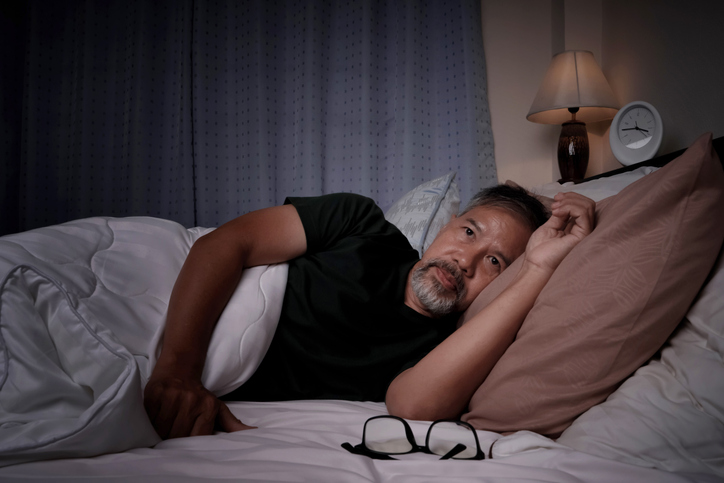
Sleep is essential to good health, but getting a good night's sleep isn't always easy. Through clinical study and monitoring sleep patterns in real time, we help you uncover your specific barriers to sleep. We focus on helping you identify and overcome sleep disorders.
Why is sleep important?
Your body needs regular sleep to function throughout the day. Getting good sleep improves your performance, mood and health. Poor sleep raises the risk of many health problems such as heart disease, high blood pressure, diabetes and stroke.
Symptoms of sleep disorders
Nighttime syptoms can vary, but can include:
- Regularly take > 30 minutes to fall asleep
- Difficulty staying asleep
- Snoring, choking or gasping while sleeping
- Waking up with a dry mouth
- Feeling like you need to move when relaxing to go to sleep
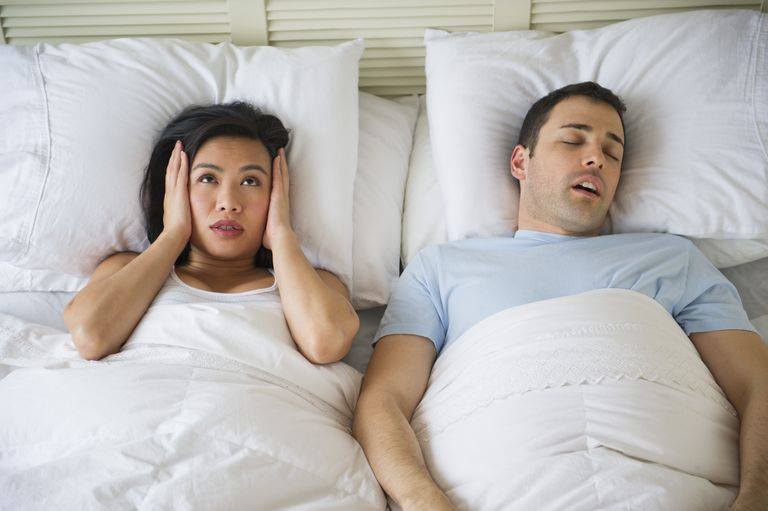
- Bed partner says you snore loudly, snort, gasp, choke or stop breathing for short periods
- Bed partner notices your legs or arms jerk during sleep
Daytime symptoms due to lack of adequate sleep:
- Daytime sleepiness
- Forgetfulness
- Difficulty focusing
- Irritability, depression or anxiety
- More frequent mistakes or accidents
- Morning headaches
- Take frequent naps
- Creeping, tingling or crawling feeling in your legs or arms
Factors that contribute to sleep problems
- Physical Disturbances: Chronic pain • Headaches
- Medical Issues: Sleep apnea, RLS, RBD
- Psychiatric Disorders: Depression • Anxiety
- Medications: Anti-depressants • Blood pressure
- Genetics
- Caffeine and alcohol
- Irregular schedules
- Aging
Finding Answers
Sleep disorders we diagnose
- Insomnia
- Narcolepsy
- Restless leg syndrome
- Shift work disorder
- Sleep apnea
- Hypersomnia
Benefits of treatment
- Improve your mood
- Improve your sleep quality
- Improve your ability to function during the day
- Help control your blood pressure
- Lower your risk for diabetes, heart disease and stroke
Sleep Studies
There are two kinds for sleep tests; a home sleep study and a hospital sleep study.
Home Sleep Study
A home sleep study (also called a home sleep apnea test) is a simple, overnight test you do in your own bed at home to evaluate how you breathe while you sleep. It tracks things like airflow, oxygen levels, heart rate, and breathing effort.
Hospital Sleep Study
A hospital sleep study is a more comprehensive sleep test that tracks things like brain waves, eye movements, and muscle activity. It is monitored by a technician in Northfield Hospital's sleep center.
When to see your provider
The following questions can help you identify if you might have a sleep problem.
- Do you have trouble falling asleep?
- Do you have trouble staying asleep or wake up several times throughout the night?
- Do you snore or have been told you snore?
- Have you been told you gasp, choke or stop breathing while asleep?
- Do you experience an uncontrollable urge to move or kick your legs at night?
- Are you excessively sleepy throughout the day?
- Do you regularly need naps during the day in order to function?
If you responded "yes" to any of these questions, make an appointment with your primary care provider about your symptoms and next steps.

How to Get Started
Make an appointment with your primary care provider to discuss your sleep issues, symptoms, and your concerns. Your provider may order a home sleep study or make a referral for you to see a sleep specialist, depending on your particular concerns. You need a referral to get a hospital sleep study.
What is sleep apnea?
Sleep apnea is a serious sleep disorder in which breathing stops and starts throughout the night while sleeping. This deprives your brain and body of oxygen.
Learn more about what sleep apnea is, what the symptoms are, and the conditions.

Treatment Options
- Continuous Positive Airway Pressure system (CPAP), is positive airway pressure therapy, which includes using a bedside device to deliver pressurized air through a small mask or nasal pillow system. Regular use of CPAP therapy can dramatically improve the quality of rest, but it doesn't always happen overnight.
- Dental Appliance Therapy - A dental sleep appliance is custom made for you and fits like a sports mouth guard. It's worn when sleeping, and supports the jaw in a forward position to help maintain an open upper airway.
- Inspire® implant
- Cognitive Behavioral Therapy (CBT)
- Weight loss and/or using a GLP1 (Tirzepatide) for moderate to severe sleep apnea.
- Good sleep habits including healthy diet and exercise
- Bright light therapy in the morning
- Medication
- Natural products such as melatonin. Check with your health care provider before taking any natural products.
Sleep Center Amenities
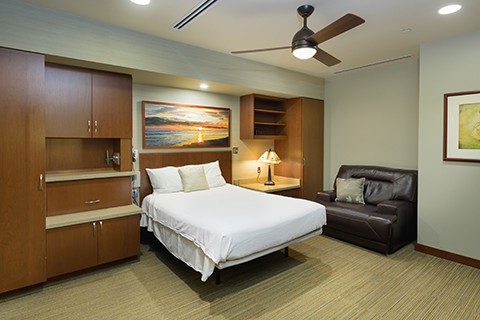
- Two sleep suites that promise a hotel-like experience. Each suite has its own bathroom with a shower so you can prepare for your day in the morning when you wake up.
- Rooms are climate controlled
- Sleep Number double beds
- Special lighting to replicate patients’ sleeping conditions at home
Nutrition Services
Some people have sleep problems due to their weight or eating habits. If your healthcare provider has recommended that you lose weight or change your eating habits as part of your treatment plan, you can schedule an appointment to meet with our team of registered dietician nutritionists. They will help you understand the vital relationship between nutrition and your health and getting a good night's sleep. They will provide education and counsel on nutrition and weight-loss strategies. Please call 507-646-1410 for more information.

Articles on Sleep Issues

Find better seasonal sleep
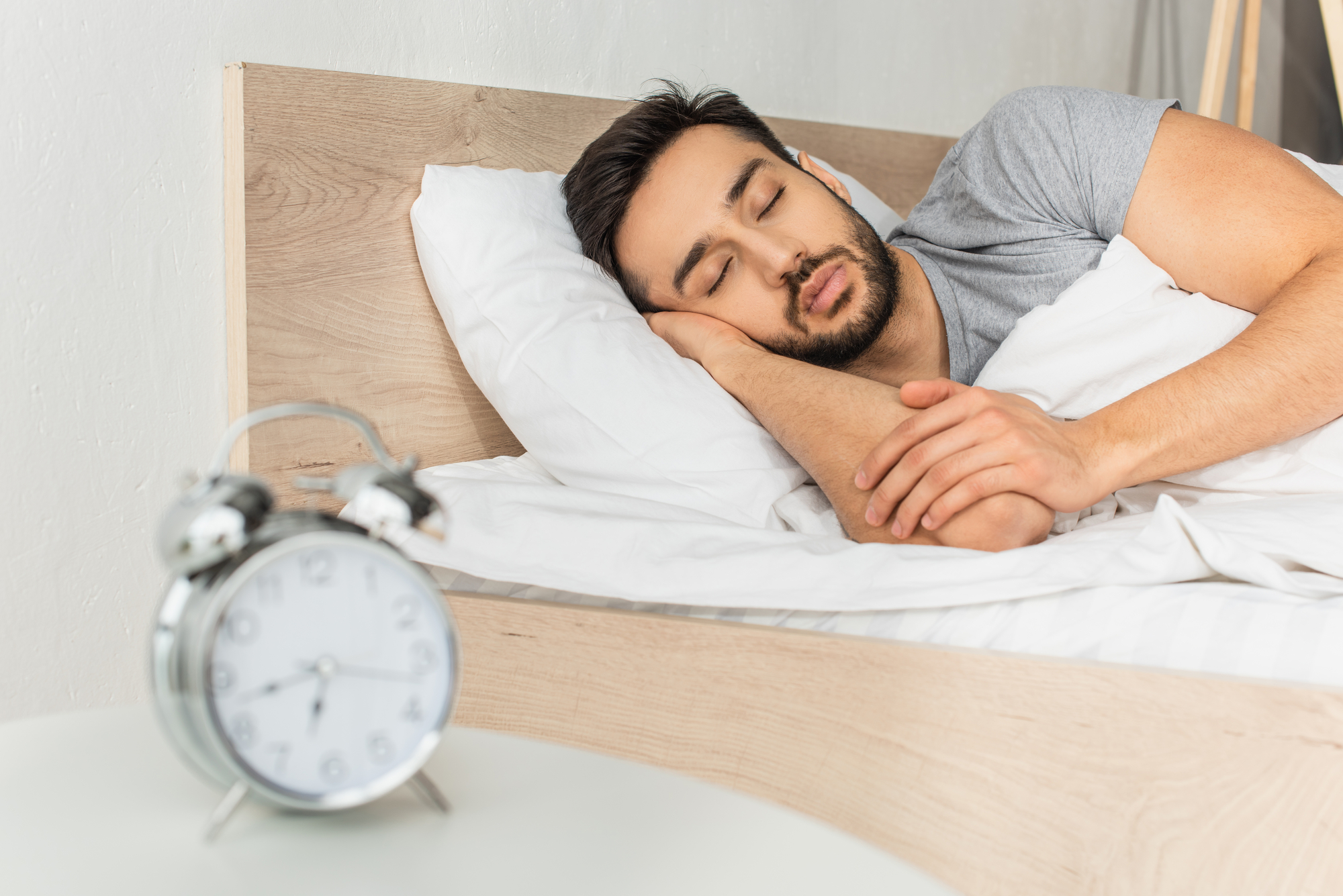
Sleep Apnea

Healthy sleep for school kids
Our Team of Doctors and Providers


Frequently Asked Questions
General Questions
How do I get started?
Make an appointment with your healthcare provider to see if a sleep study may be appropriate for you.
How do I get or replace equipment or parts?
If you are in need of a CPAP machine, we will provide you with some medial device companies that sell them. The Sleep Center does not sell, service or provide data downloads for CPAP machines. If you need service or parts for your equipment, call your equipment company.
How can I get a copy of my sleep study?
If you want a copy of your sleep study, call 507-646-1182. Or fill out the form below and fax it to 507-646-1192.
Do you offer sleep studies for kids?
No. We only offer sleep studies for adults.
Home Sleep Study
What Equipment Will I Use?
You will be given a small device that will include:
- A soft belt around your chest
- A finger clip to check your oxygen saturation
- A small tube or sensor near your nose
Don’t worry, this equipment is safe and painless.
How should I prepare?
Before your study:
- Shower and have clean, dry skin
- Avoid lotions or oils on your skin
- Follow your normal routine
Ask your provider about:
- Caffeine or alcohol use
- Your regular medications
What Should I Expect During the Night?
- Go to bed at your usual time
- Sleep in your normal position
- You can move and get up if needed.
- You may use the bathroom at night, just disconnect the device if needed and reconnect it
It’s okay if you don’t sleep perfectly. We usually still get useful information
What Happens After the Study?
- Return the equipment as instructed
- A sleep specialist will review your results and make a formal interpretation
- Your provider will discuss next steps with you
Hospital Sleep Study
How do I make, change or cancel my hospital sleep study appointment?
Hospital sleep studies are scheduled at varying times throughout the day. Please call 701-234-9667 to schedule your hospital sleep study.
What are the sleep centers hours?
We do sleep studies 7 days a week, around the clock. You will be given an appointment time for a hospital sleep study at the Sleep Center.
What should I remember to bring for my hospital sleep study?
You must sleep in some type of sleepwear, sport shorts, t-shirt. Cotton clothing is best. If you forget to bring sleep clothing, we will give you a set of scrubs to wear. Remember to bring:
- Your completed questionnaire
- Current insurance card
- Any medication that you need. Your medication must be kept in the original labeled container.
- You are welcome to bring a pillow from home
- If you prefer a light snack before bed, please bring that.
Is there anything I should do to prepare for the night of the hospital sleep study?
- Do not stop taking any medications, unless specifically requested by your health care provider. If your health care provider has ordered a nasal spray, use it before you come in or bring it with you.
- No caffeine or alcohol after 2:00 p.m. unless a sleep center doctor advises otherwise.
- Bathe and wash your hair before the sleep study. Do not use hair cream, moisturizers, rinses, oils, sprays, or makeup on your skin.
- Men: if you are usually clean-shaven, please shave before you come in.
- Women: Remove acrylic nails or dark fingernail polish
Will I be able to sleep?
Most patients are able to sleep quite well. You may go to the restroom during the night.
Can someone from my family stay?
Unfortunately, family members are not allowed to stay with you during the actual testing. The set-up preparation of the testing takes an hour, and family members are welcome to be with you during this time only. If you have special needs and would need assistance, please let us know so arrangements can be made.
Should I stop taking my medication? Can I bring my medication to the sleep center?
Do not stop taking any medication, unless specifically requested by your health care provider. Please be sure to bring all medications that you need with you and keep them in their original labeled container. You will need to notify the technician that you have the medication and when you will self-administer it. Please do not bring any dietary supplements. Supplements cannot be administered in the center. Please take those at home before you come.
How long does a hospital sleep study last?
The hospital sleep study lasts approximately 8 hours. You will have completed the study by 6:30 or 7:00 in the morning. Unless directed by a sleep doctor, you will not sleep later than that. Generally, the study itself is a very relaxed easy test. Every effort will be made to assure that you are comfortable and at ease with the surroundings. The study is typically divided into four parts:
- Preparation - This takes about an hour. The technician will attach many sensors to your head, chest, arms, and legs. During this time, the technician will explain the test to you, and answer any questions you may have.
- Lights out - We like people in bed between 10-11pm. Up until that time, you may watch TV, read or use your computer to help you relax. After that time, the TV is turned off and the continued use of computers and cell phones is discouraged.
- Diagnostic phase - The technician will monitor your breathing patterns while you sleep. You may be asked to change sleeping positions so that a thorough study can be completed.
- CPAP trial phase - If the technician has observed and documented enough events to diagnose obstructive sleep apnea, they will wake you to place a CPAP mask and will adjust the CPAP settings to best treat you.
When do I get my results?
Please make a follow up appointment with the health care provider that ordered the test for you, or as directed by that provider. They may have asked that a follow up appointment be with a sleep specialist. In general, that appointment should be two weeks after your test, unless otherwise directed by you provider.
Cost and Insurance
How much will a sleep study cost? Will my insurance cover a sleep study?
A prior authorization will be required and completed by our prior authorization team before scheduling your study.
Sleep Center Cost Estimate
If you would like to get a price estimate, call 507-646-1084. Please have the following information ready:
- Description of services needed
- Insurance card
- Deductible, co-insurance, out-of-pocket max and co-payment amounts
You can also get an estimate using the Price Estimate Tool
Insurance Coverage
Every person has their own individual insurance plan and a deductible. Call the number on the back of your insurance card to find out if the sleep study will be covered.
If you have pricing or insurance questions, call 507-646-1084.
Do I have to have a referral to get a sleep study?
A sleep study does require an order from your provider. You cannot self-refer for a sleep test.
Service Locations

Faribault Clinic
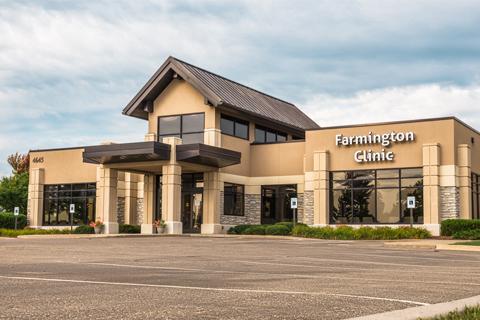
Farmington Clinic
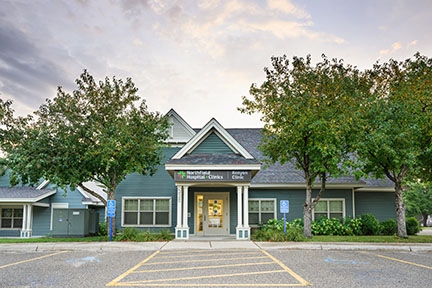
Jefferson Road Clinic- Now Open
Kenyon Clinic

Lakeville Clinic

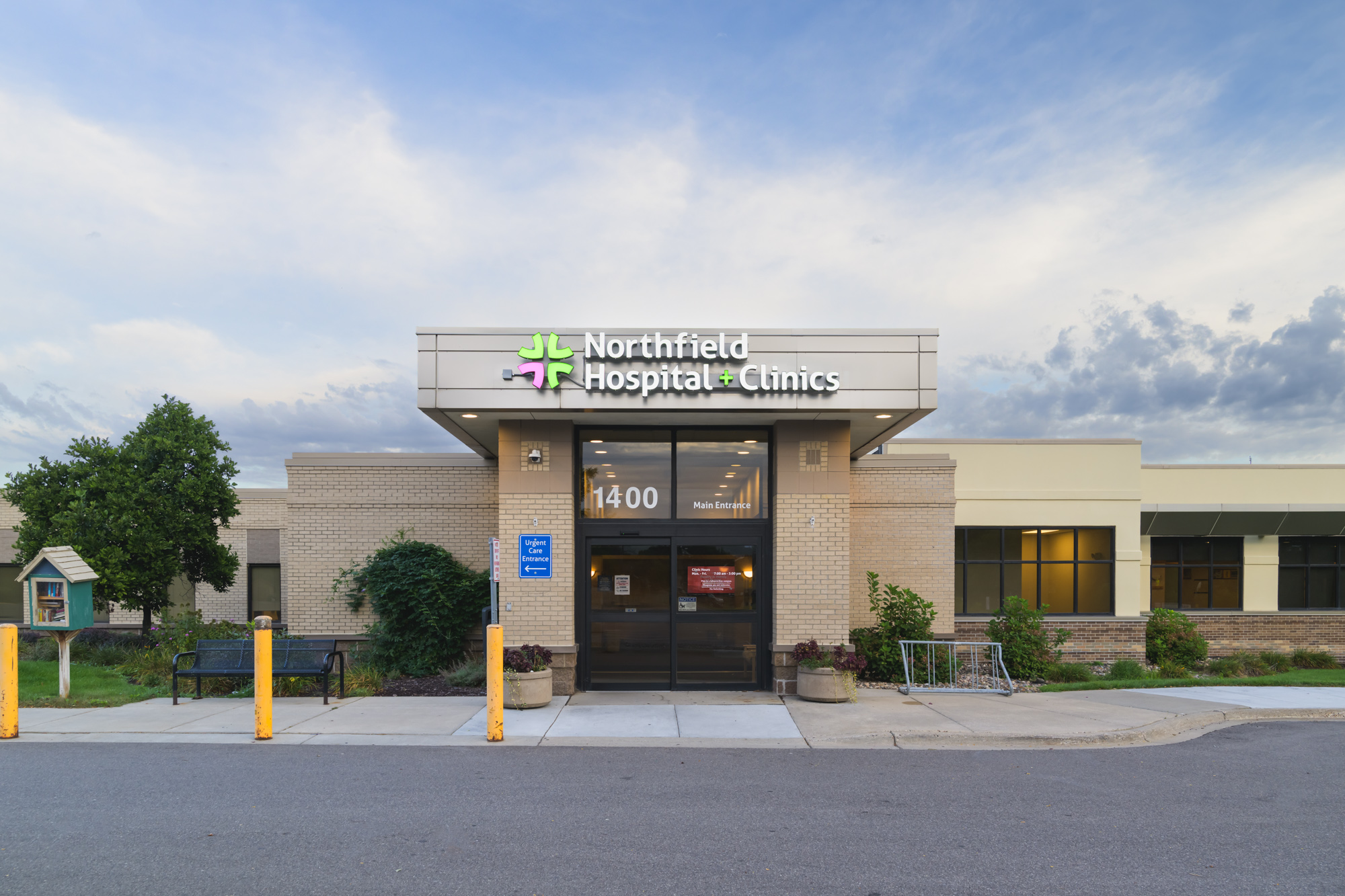
Northfield Clinic

Sleep Center - Northfield
Sleep Center services are provided in partnership with Precision Diagnostic Services (PDS), Inc. For more information, contact us at 507-646-1099.